How to Cite ChatGPT and AI Tools in APA, MLA, and Harvard
Exact citation formats for ChatGPT and generative AI in APA 7, MLA 9, Harvard (Cite Them Right), and Chicago — plus what to disclose, what to include in your appendix, and the common mistakes that turn a permitted AI use into an integrity finding.
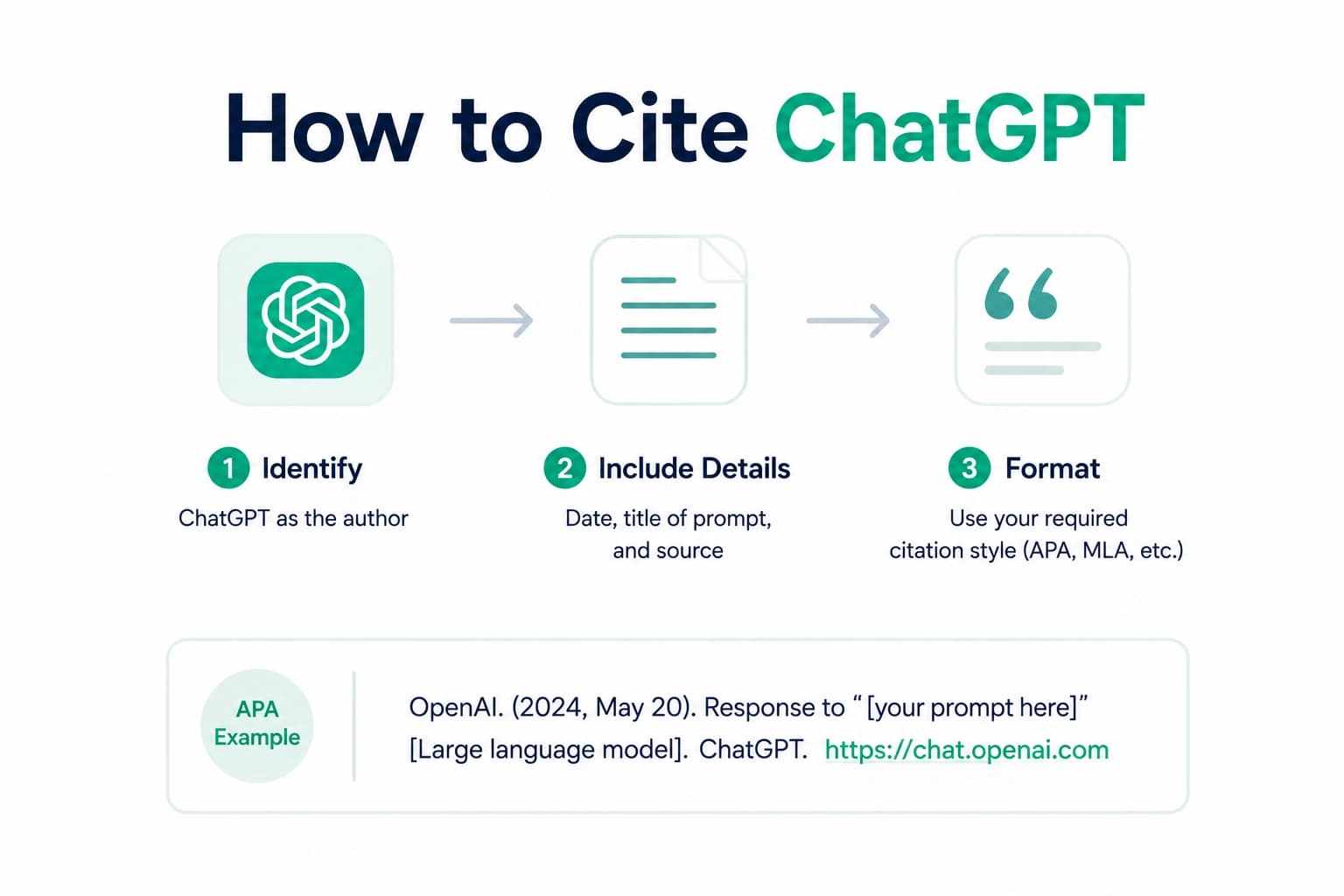
If your institution allows AI use at all, you probably have to cite it — and getting the citation format wrong is one of the fastest ways to turn a permitted use into an academic integrity finding. APA, MLA, Harvard, and Chicago have all issued official guidance since 2023, and they have each updated that guidance more than once as models have evolved. This post gives you the exact current format for each style, what to include beyond the citation itself, and where students most often slip up.
Check your institution's policy before you cite anything
Citation only matters if AI use is permitted in the first place. Policies vary widely: some universities ban generative AI entirely for assessed work, some allow it for brainstorming and proofreading but not drafting, and some allow full use provided it is disclosed. The University of Oxford's guidance, for example, states that generative AI “may be used only where explicitly permitted and must be acknowledged when required.” Read your course handbook and the specific assignment brief before you decide what to cite and how.
As a rough map of what most institutions treat as needing disclosure:
- Idea generation and brainstorming. Usually needs to be acknowledged in a note or methods section, even if not formally cited.
- Drafting or generating text. Almost always requires a full citation and often a disclosure statement. This is the highest-risk category.
- Editing your own prose (grammar, clarity, translation). Some institutions require disclosure, some treat it like using Grammarly. Springer Nature, for instance, distinguishes AI-assisted copy editing (no disclosure) from generative AI work (disclosure required).
- Proofreading and spellcheck. Generally does not require citation, but if unsure, disclose.
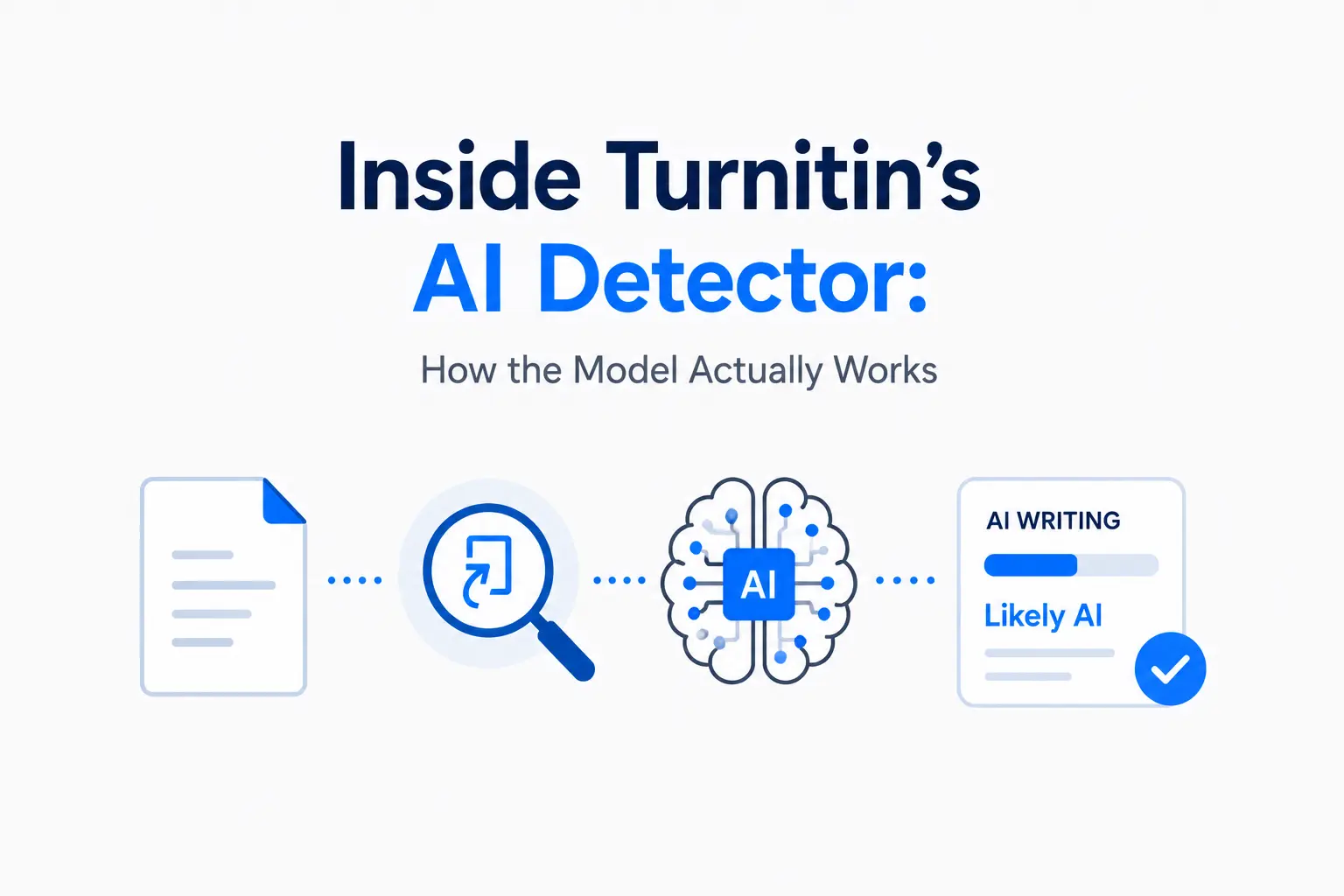
Even a properly cited AI passage can still be flagged by detection software. If you want to understand what the tool your instructor uses is actually looking at, our guide on how Turnitin's AI detection works walks through the mechanism, and does Turnitin detect ChatGPT covers the specifics for OpenAI models.
APA 7th edition
APA published its first ChatGPT citation guidance in April 2023 and has updated it several times since. The current position: OpenAI (or Anthropic, Google, etc.) is the author, ChatGPT is the title, and the model is described in brackets.
Reference list entry:
OpenAI. (2026). ChatGPT (July 14 version) [Large language model]. https://chatgpt.com
In-text citation: (OpenAI, 2026) parenthetically, or OpenAI (2026) as a narrative citation.
APA also asks you to describe how you used the tool in your Methods section (for empirical papers) or Introduction (for essays), and to include the prompt you used in the text itself or in an appendix. Because ChatGPT outputs are not retrievable by readers, APA recommends appending the full transcript. See the official APA Style blog post on citing ChatGPT for the primary source.
MLA 9th edition
The MLA Style Center published its first guidance in March 2023 and issued a revised version in 2025. MLA takes a different approach: the prompt itself becomes the title of the source, and the AI tool is the container.
Works Cited entry:
“Describe the symbolism of the green light in The Great Gatsby” prompt. ChatGPT, 14 July 2026 version, OpenAI, 14 July 2026, chatgpt.com.
In-text citation: Because there is no author, the parenthetical uses the first element of the entry — usually a shortened version of the prompt in quotation marks, e.g. (“Describe the symbolism”).
MLA is explicit that you should not treat the AI as an author, and that you must cite it whenever you paraphrase, quote, or incorporate its output — and disclose functional uses like editing or translation in a note. See the MLA Style Center guidance on citing generative AI for the full template.
Harvard style (Cite Them Right)
Harvard is not a single fixed standard — it is a family of author-date formats, and your university will have its own house variant. The most widely used interpretation in UK universities is Cite Them Right, which treats AI much like APA.
Reference list entry:
OpenAI (2026) ChatGPT (GPT-5) [Large language model]. Available at: https://chatgpt.com (Accessed: 14 July 2026).
In-text citation: (OpenAI, 2026) or OpenAI (2026).
Because AI conversations are typically not retrievable, several UK universities — including the University of Ulster and the La Trobe Harvard guide — recommend treating private AI chats as personal communication and including the full transcript in an appendix. Always check your university's specific Harvard guide before submitting; the differences between Cite Them Right, Leeds Harvard, and Anglia Ruskin Harvard are small but real.
Chicago style (briefly)
The Chicago Manual of Style treats the AI tool itself as the author in footnotes, with the developer as publisher.
Footnote: Text generated by ChatGPT, OpenAI, 14 July 2026, https://chatgpt.com.
Chicago explicitly says do not include AI in the bibliography unless there is a publicly shareable URL, because private conversation links require login credentials. Note the AI in the text or footnote instead. If you edited the AI output, add “edited for style and content” at the end of the note.
What information to include no matter the style
Across every major style, four pieces of information matter:
- The company (OpenAI, Anthropic, Google DeepMind). The AI is never the author.
- The tool and model version. ChatGPT with GPT-5 in July 2026 produces different output than ChatGPT with GPT-4o in March 2024. The version matters.
- The date of generation. Not the date you wrote the paper — the date the AI produced the response.
- The prompt you used. Either in the text, in a footnote, or in an appendix. This is what allows a reader to understand what you asked for.
A URL is preferred if you have a shareable chat link (ChatGPT's Share feature produces one), but the general tool URL is acceptable if you do not.
The disclosure statement — beyond the citation
Increasingly, journals and universities want more than a citation. Elsevier requires a section titled “Declaration of Generative AI and AI-assisted technologies in the writing process” immediately above the reference list. Nature and Science require authors to detail any AI involvement from ideation through final edits. For student work, a short disclosure paragraph in your introduction or a methods note is usually enough:
“I used ChatGPT (OpenAI, GPT-5, accessed 14 July 2026) to brainstorm counterarguments for Section 3 and to check the grammar of the final draft. All final wording, structure, and analysis are my own. Prompts and outputs are included in Appendix A.”
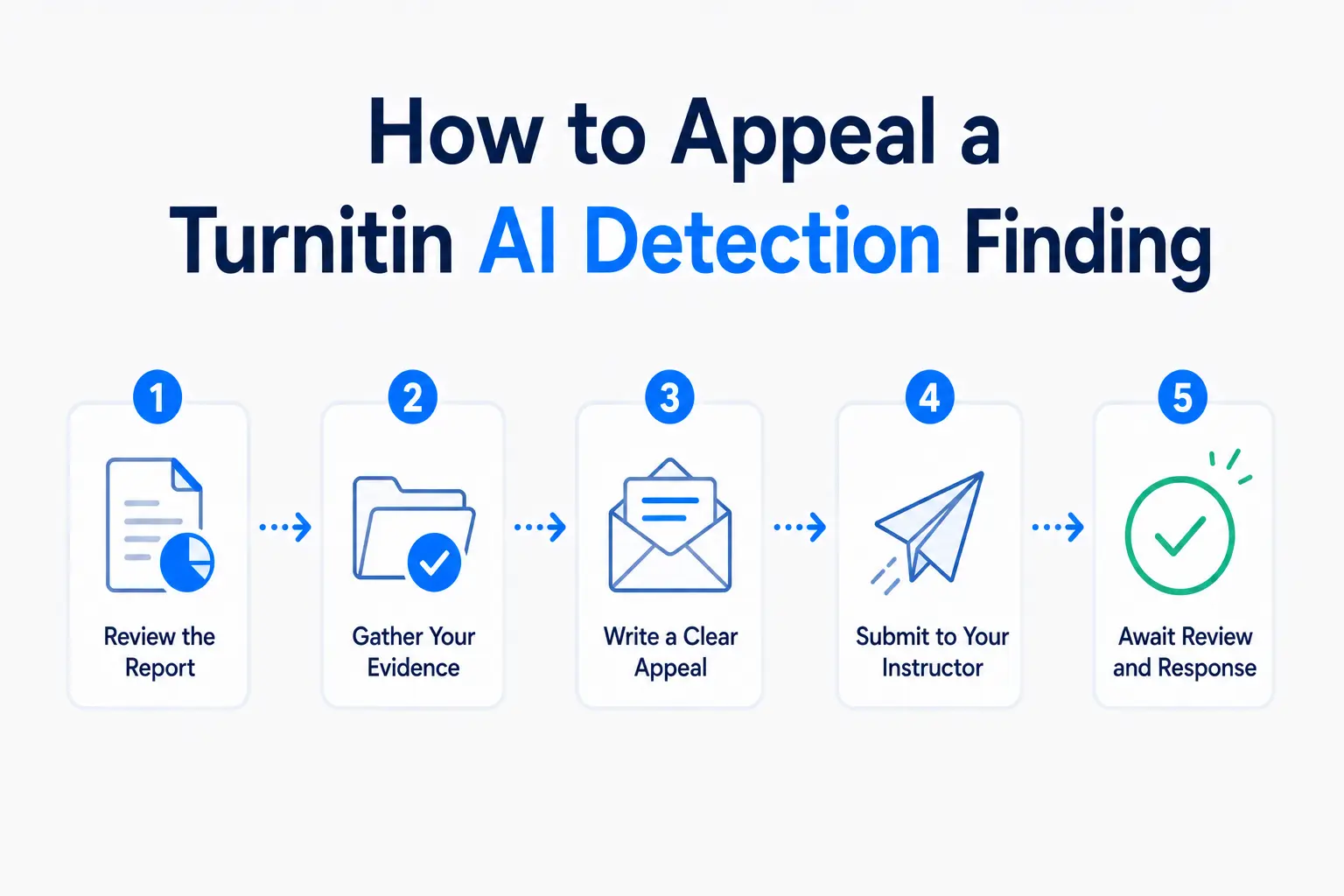
This kind of statement is what most academic integrity panels want to see. It also gives you a defensible record if your work is later flagged — see our guide on how to appeal a Turnitin AI flag for what happens when a properly-cited paper still gets flagged.
Common mistakes students make
- Listing ChatGPT as the author. ChatGPT is not a person. The company that built the model is the author (OpenAI, Anthropic, Google). This applies in every style.
- Omitting the model version. “ChatGPT” alone is not enough — GPT-3.5, GPT-4o, and GPT-5 produce meaningfully different outputs. Include the version or the version date.
- Skipping the prompt. Without the prompt, no reader can evaluate what you actually asked. Every major style now expects the prompt to appear somewhere — text, footnote, or appendix.
- Citing a private ChatGPT link as if it were public. Standard conversation URLs need your login. Use the Share feature to generate a public link, or note that the transcript is on file.
- Citing AI use but not disclosing the type of use. A citation says “I quoted this.” A disclosure says “I used the tool for X purpose.” Most universities want both.
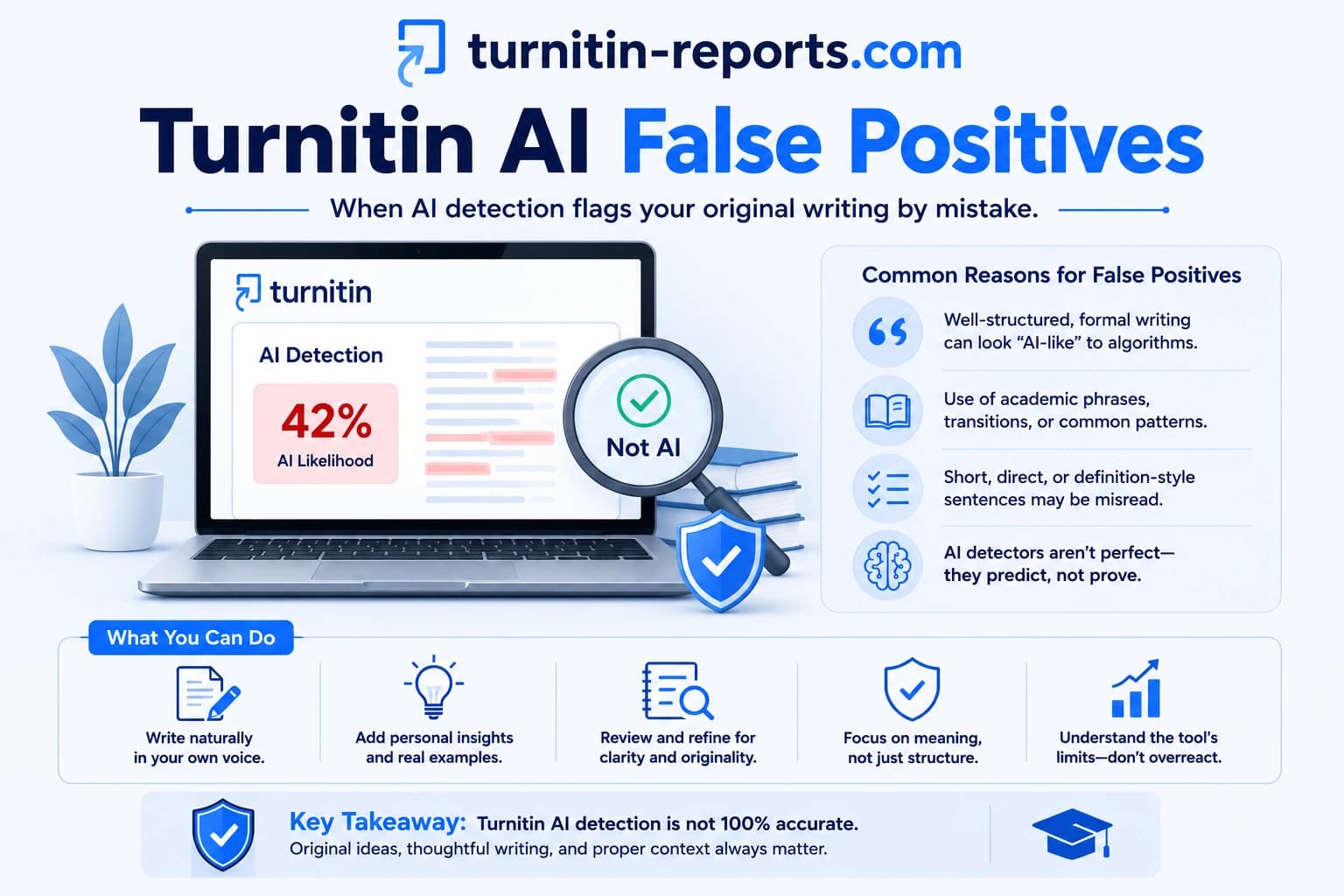
- Assuming citation prevents detection flags. Turnitin's AI Writing Report scores the text itself, not whether it is cited. Even quoted AI text can raise your AI percentage. See Turnitin AI false positives and Turnitin flagged AI but I wrote it for what happens next.
When AI use is banned entirely
A significant share of universities still prohibit any AI use in assessed work, regardless of citation. In those cases, citing ChatGPT does not make the use permissible — it documents a violation. If your assignment brief says “no generative AI,” that includes brainstorming and editing. When in doubt, ask your instructor in writing before you use the tool, and keep the response. For more on how instructor decisions are made after a flag, see can a professor report you for a Turnitin AI score.
Frequently asked questions
Can I cite ChatGPT as the author of my paper?
No. ChatGPT is not recognised as an author by any major style guide, publisher, or university. APA, MLA, Harvard, Chicago, and the leading journal publishers (Nature, Science, Elsevier, Springer) all state that AI tools cannot be listed as authors because they cannot take responsibility for the work. The author of the tool is always the company that built it — usually OpenAI, Anthropic, or Google.
Do I have to include the prompt when I cite ChatGPT?
Yes, in almost every case. APA asks you to include the prompt in your text or in an appendix. MLA uses the prompt as the title of the source. Harvard (via Cite Them Right) recommends including it in a note or appendix. Chicago suggests including it in the footnote or nearby text. The prompt is what makes the citation useful — without it, a reader cannot evaluate what you asked the model to do.
Will citing ChatGPT prevent Turnitin from flagging my paper?
No. Turnitin's AI Writing Report scores the text on stylistic patterns, not on whether the source is cited. A properly cited AI quote can still contribute to your AI percentage. Citation protects you from an academic integrity finding for undisclosed AI use, but it does not lower your AI detection score. If you are flagged despite proper citation, our guides on appealing an AI flag and what Turnitin actually checks cover the next steps.
What if my university has not published guidance on AI citation?
Default to the style guide your discipline uses — APA for social sciences and psychology, MLA for humanities, Harvard or Chicago for others — and follow that style's official AI guidance. Then add a short disclosure statement in your introduction or methods section describing how you used the tool. That combination (a style-conformant citation plus an explicit disclosure) is defensible in almost any institutional review, even if the university itself has not yet issued a formal policy.
Ready to check your paper?
Get your Turnitin report in minutes.
Same report your institution generates — delivered privately, fast.